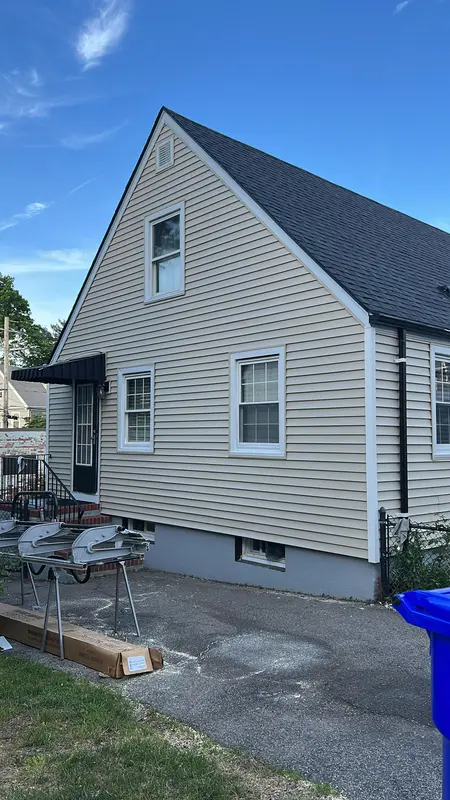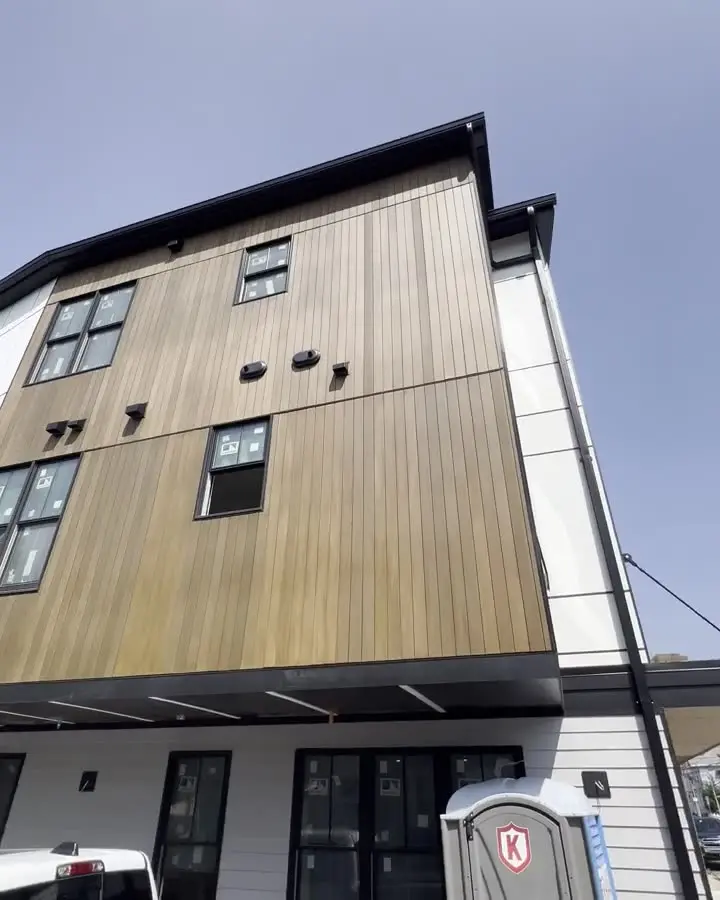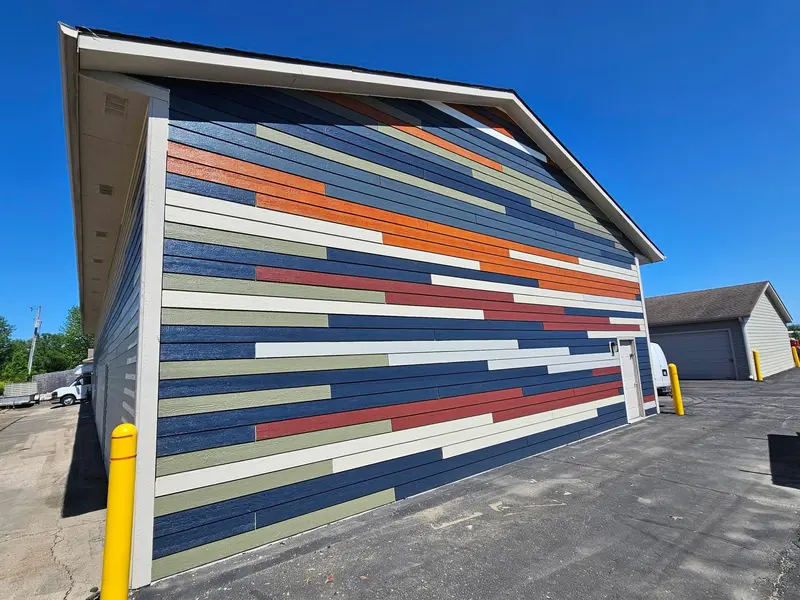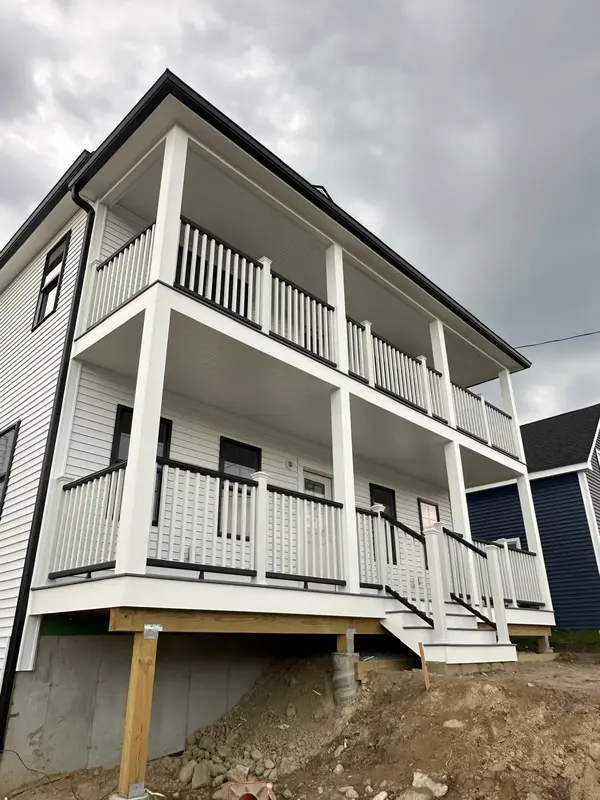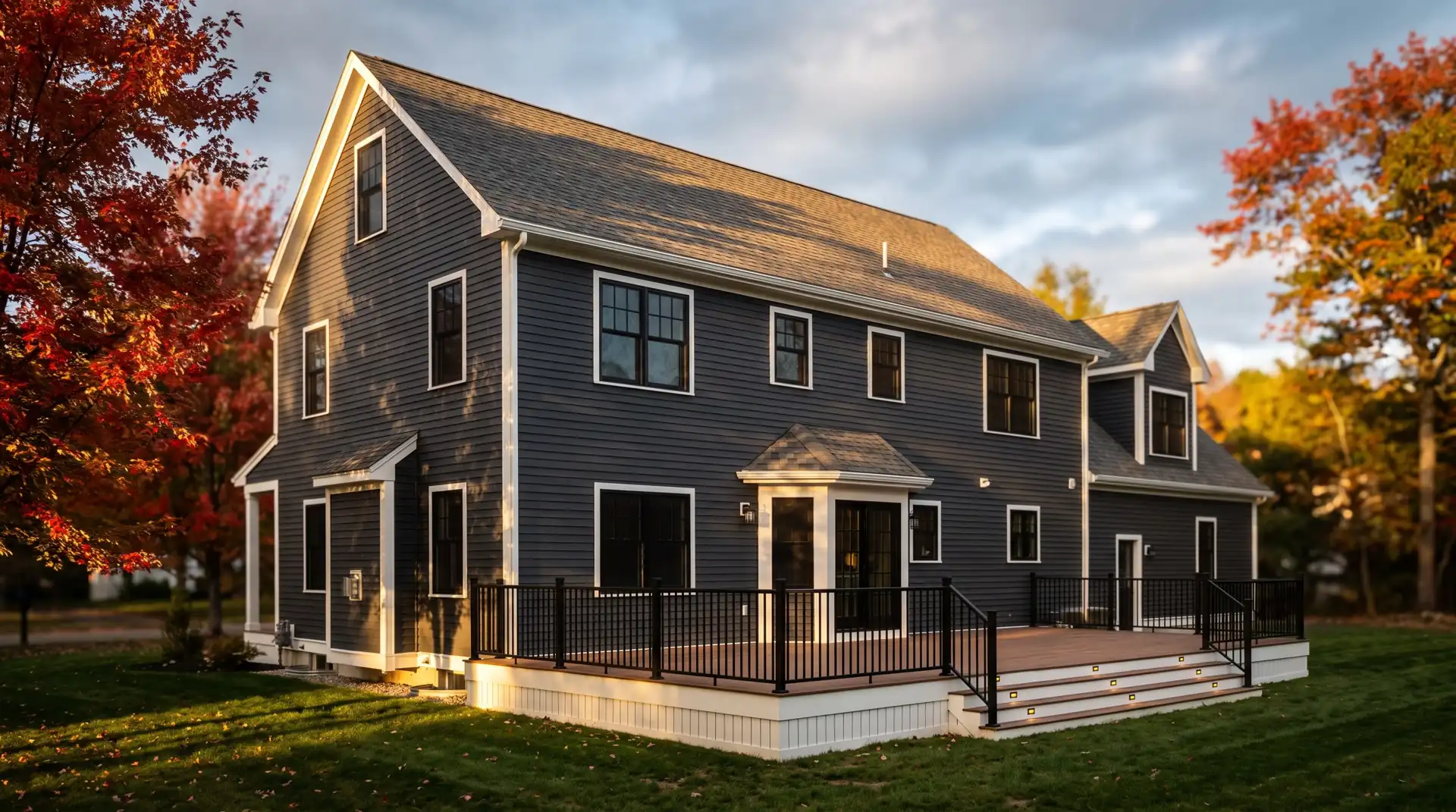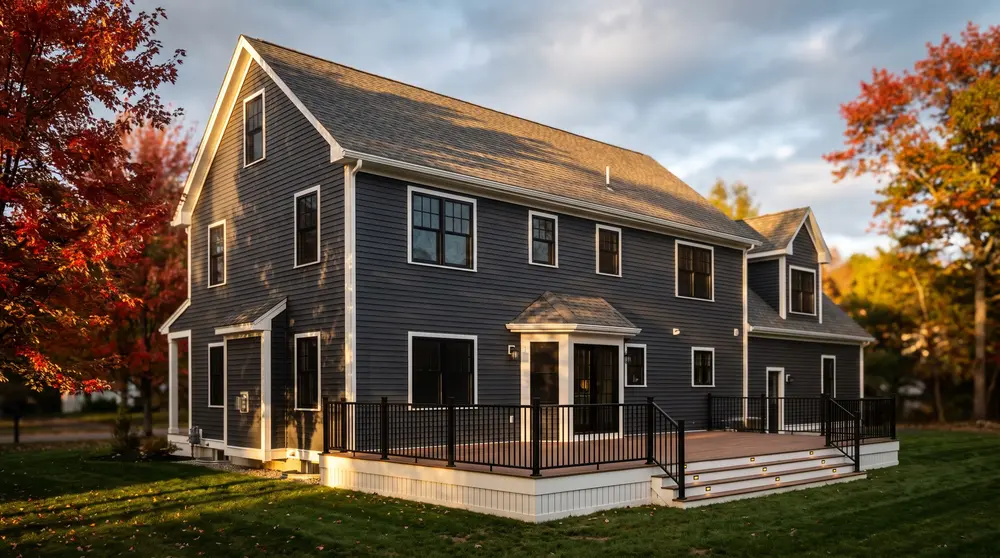

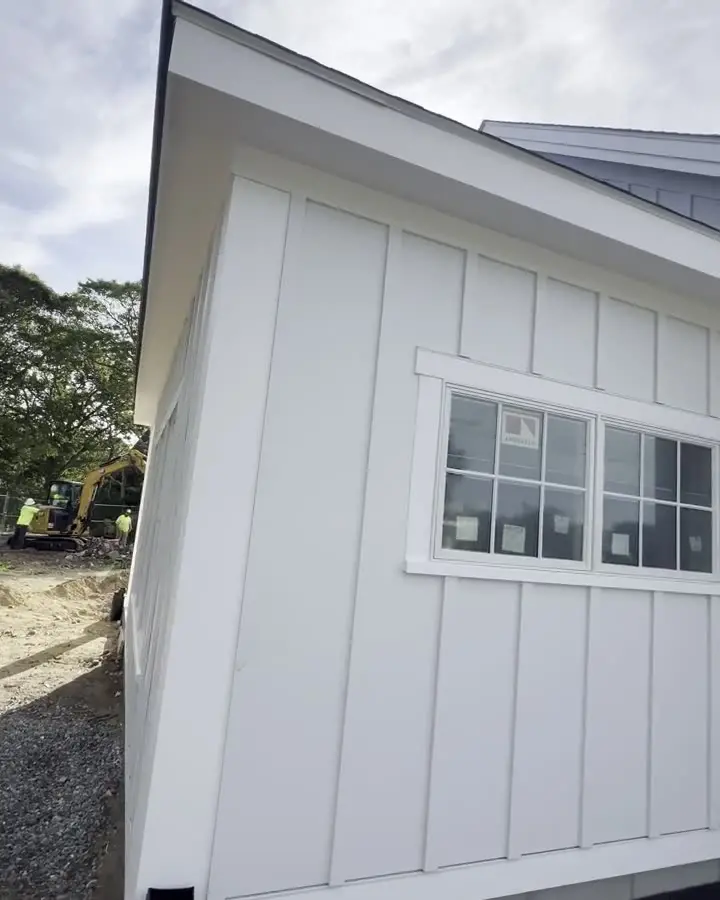
Fiber cement gives your home the look of painted wood clapboard with a lot more backbone. It won't rot, bugs can't eat it, and it doesn't burn. We install James Hardie fiber cement on colonials, capes and new construction across Massachusetts, in straight lap, shake, or a combination that breaks up a big gable.
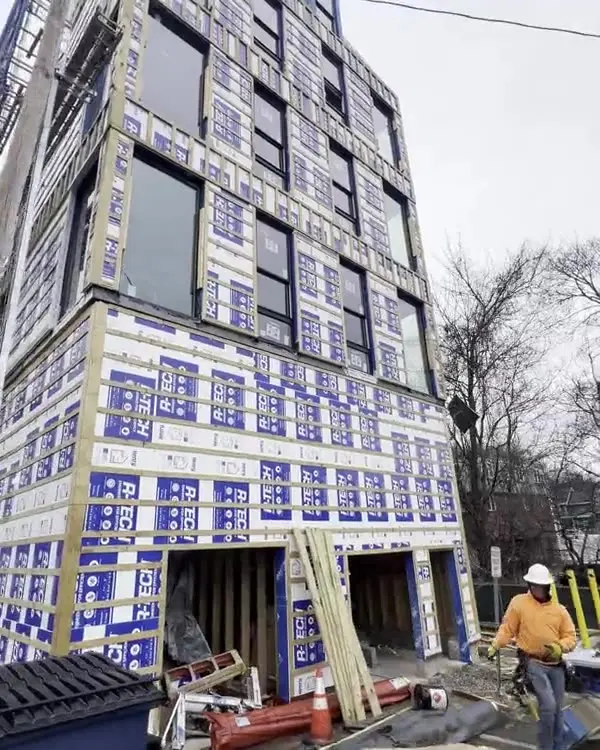
In Framingham we did a complete siding replacement in fiber cement with shake detail and finished it in four business days. The crew tore off the old siding, checked and photographed the sheathing, wrapped the house in DuPont Tyvek with taped seams, flashed every opening, then set the lap and shake courses to Hardie's install manual.
Fiber cement is heavy and unforgiving. Wrong blade, wrong nail, or a missed clearance at the roofline, and you end up with cracked boards or a voided material warranty. We follow Hardie's fastening and clearance specs on your house, so the warranty that comes with the boards passes straight to you.
What's included
- Full tear-off of existing siding
- Photo record of your sheathing
- Damaged sheathing cut out and replaced
- Tyvek HomeWrap with taped laps
- Flashed windows, doors and penetrations
- James Hardie lap, shake or both
- Clearances kept at roof, deck and grade
- Site cleared and magnet swept daily
Signs it's time
- Wood clapboard that won't hold paint
- Soft or punky boards near the ground
- Woodpecker or insect damage on trim
- Want a painted-wood look without the upkeep
- Planning to stay in your home long term
Lap, shake or both on your house
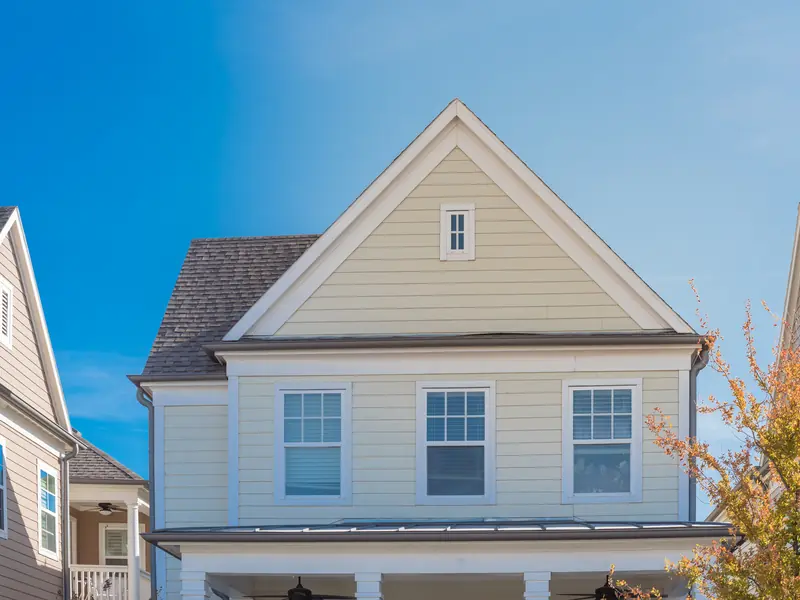
Straight lap is the classic New England look, and it suits most colonials and capes. Shake works well on gables, dormers and the upper story of a two-story home, where a change in texture breaks up a tall flat wall. A lot of our clients run lap on the main body and shake up top, the way we finished Framingham.
Clearances are the detail that saves fiber cement long term. Boards have to stop short of your roof, deck and grade so snow and splashback can't wick into the bottom edges. On a roof-to-wall joint we leave the gap Hardie specifies and flash it, because that corner gets buried in snow every winter.
Your choice also depends on the shape of your walls. Older homes often aren't flat, and heavy boards will telegraph every dip. That's another reason we open your walls up first: we fix the substrate before the siding goes on, so your lap and shake lines come out straight and even from corner to corner.
What happens behind your fiber cement siding
You won't see most of this once the job is done. That's why we photograph it before we cover it.
- Substrate inspected and photographed before it's covered
- Every opening flashed so water gets directed back out
- Seams and laps of the weather barrier taped and sealed
- Fastening and clearances per the manufacturer's manual
- Soffit ventilation kept open, corners and returns sealed
- Site cleared and magnet swept at the end of every day