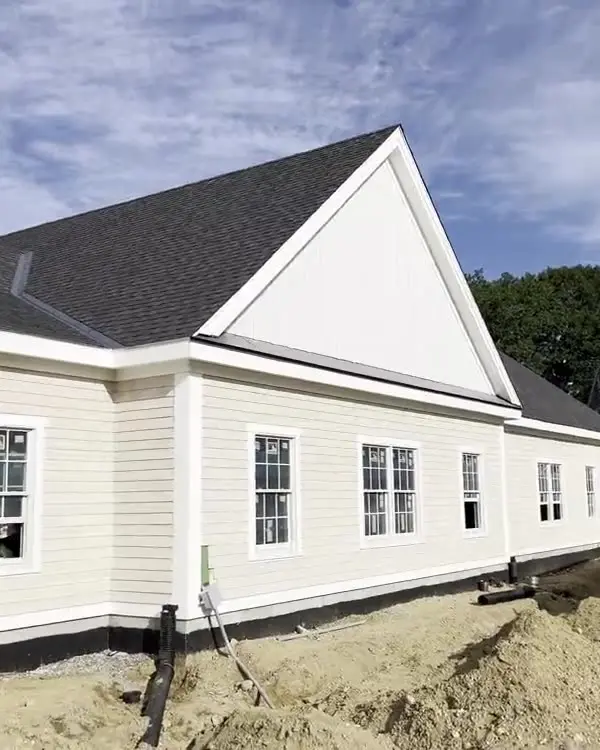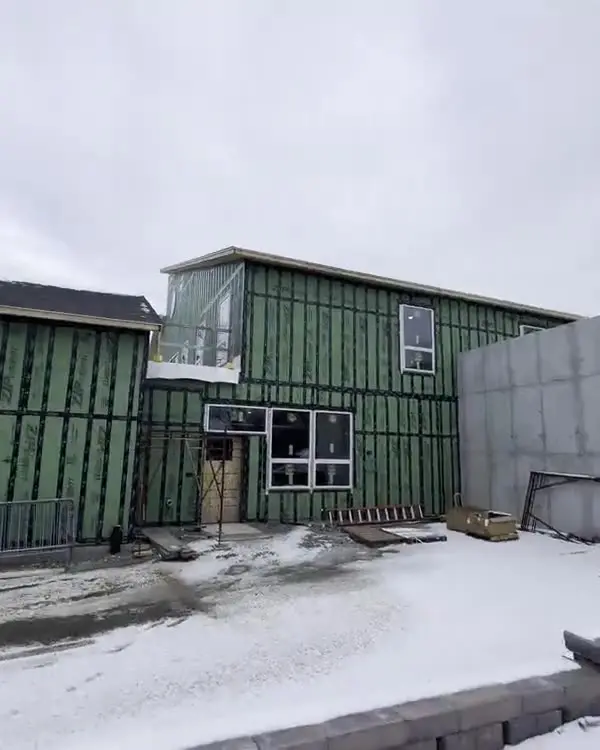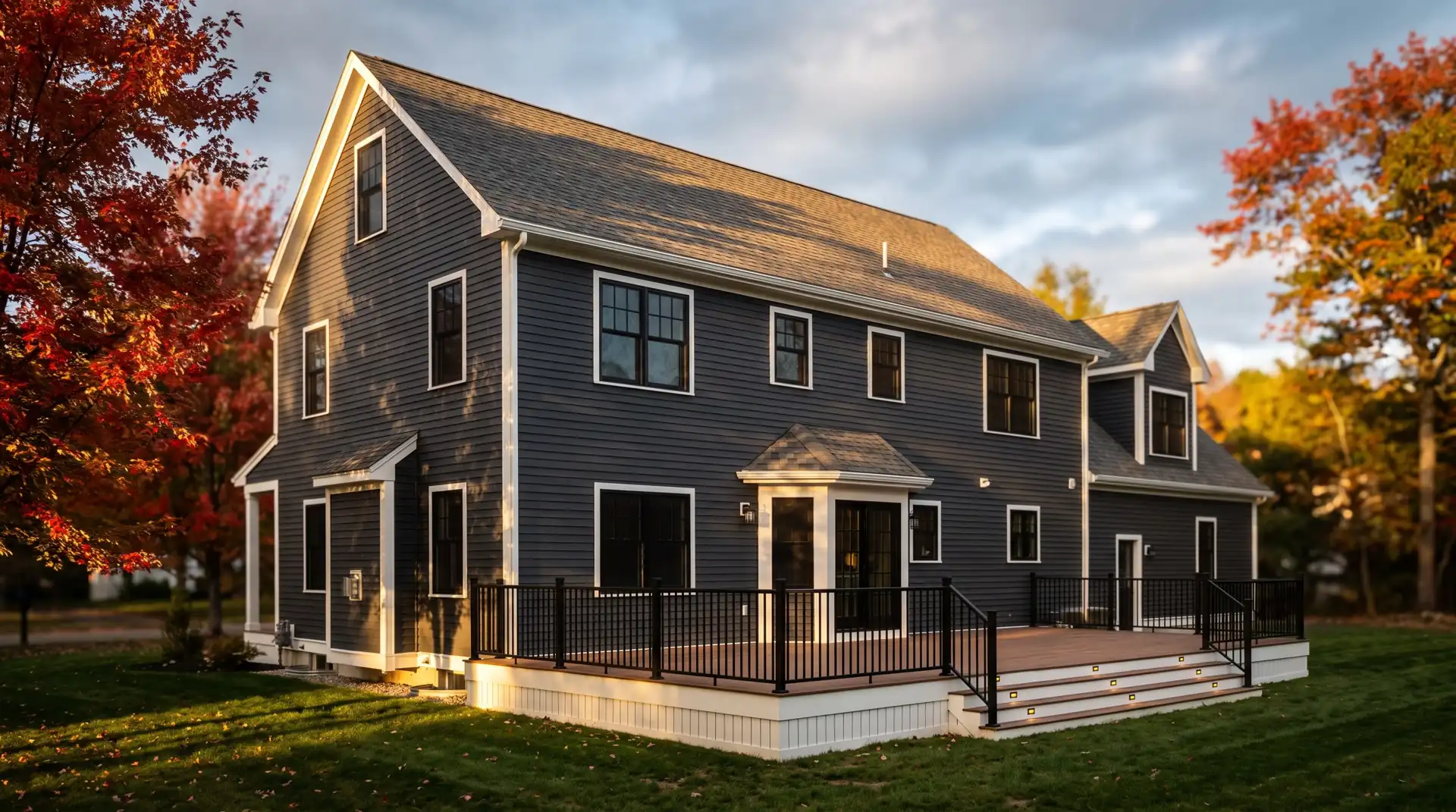


If you've got a ceiling stain near a chimney or a damp spot where a dormer meets the roof, the shingles probably aren't the problem. Leaks almost always start at a transition, the place where your roof meets something that sticks up through it or runs alongside it. That's the spot to look at first.
Flashing is the metal that bridges those joints. Step flashing weaves into each shingle course along a sidewall. Counter flashing laps over it from the chimney or wall above. Valley flashing lines the channel where two roof planes meet. When any of it is missing, bent or sealed with only caulk, water finds the gap.
We do flashing and roof detailing as part of every roof we install, and as its own job when your roof is sound but a transition isn't. Plenty of homeowners call us thinking they need a whole new roof. Sometimes they do. Sometimes it's one chimney. We'll tell you honestly which one you need after we look at it and photograph it.
What's included
- Inspection of every roof transition on your house
- Photos of what we find, shared with you
- Step flashing woven into the shingle courses at sidewalls
- Counter flashing at chimneys and walls
- Valley flashing where two roof planes meet
- Skylight flashing and sealing
- Shingles at each transition reset and sealed
- Written scope before any work starts
Signs it's time
- A water stain on the ceiling near a chimney or skylight
- Damp drywall where a dormer or addition meets the roof
- Tar or caulk smeared over a joint as a past patch
- Loose, rusted or bent metal around your chimney
- Moss or debris collecting in a valley
Why Caulk Isn't Flashing
A lot of roofs we look at have a bead of caulk or roofing tar where real flashing should be. It holds for a season or two. Then the sun dries it out, freeze-thaw cracks it, and wind-driven rain slips right through. You end up patching the same spot every spring.
Proper flashing works with gravity. Each piece laps over the one below it, so water always runs down and out. Chimneys on older Massachusetts homes take the most abuse here, because the masonry moves and the old counter flashing often wasn't cut into the mortar to begin with. We rebuild the detail so water is turned back out.
If your roof has years left and only a transition is failing, we'll fix the transition. If the shingles around it are at the end of their life, we'll show you that too, and you decide.
What happens behind your roof flashing and detailing
You won't see most of this once the job is done. That's why we photograph it before we cover it.
- Substrate inspected and photographed before it's covered
- Every opening flashed so water gets directed back out
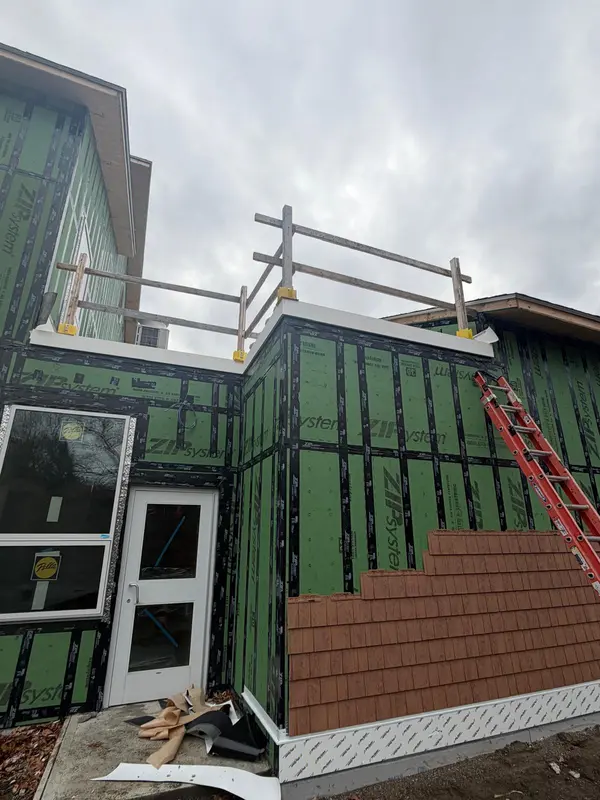
- Seams and laps of the weather barrier taped and sealed
- Fastening and clearances per the manufacturer's manual
- Soffit ventilation kept open, corners and returns sealed
- Site cleared and magnet swept at the end of every day