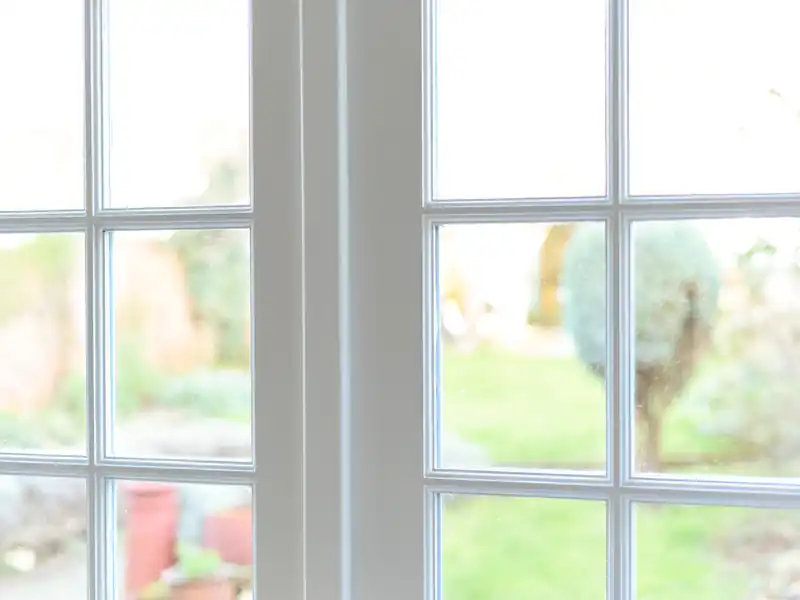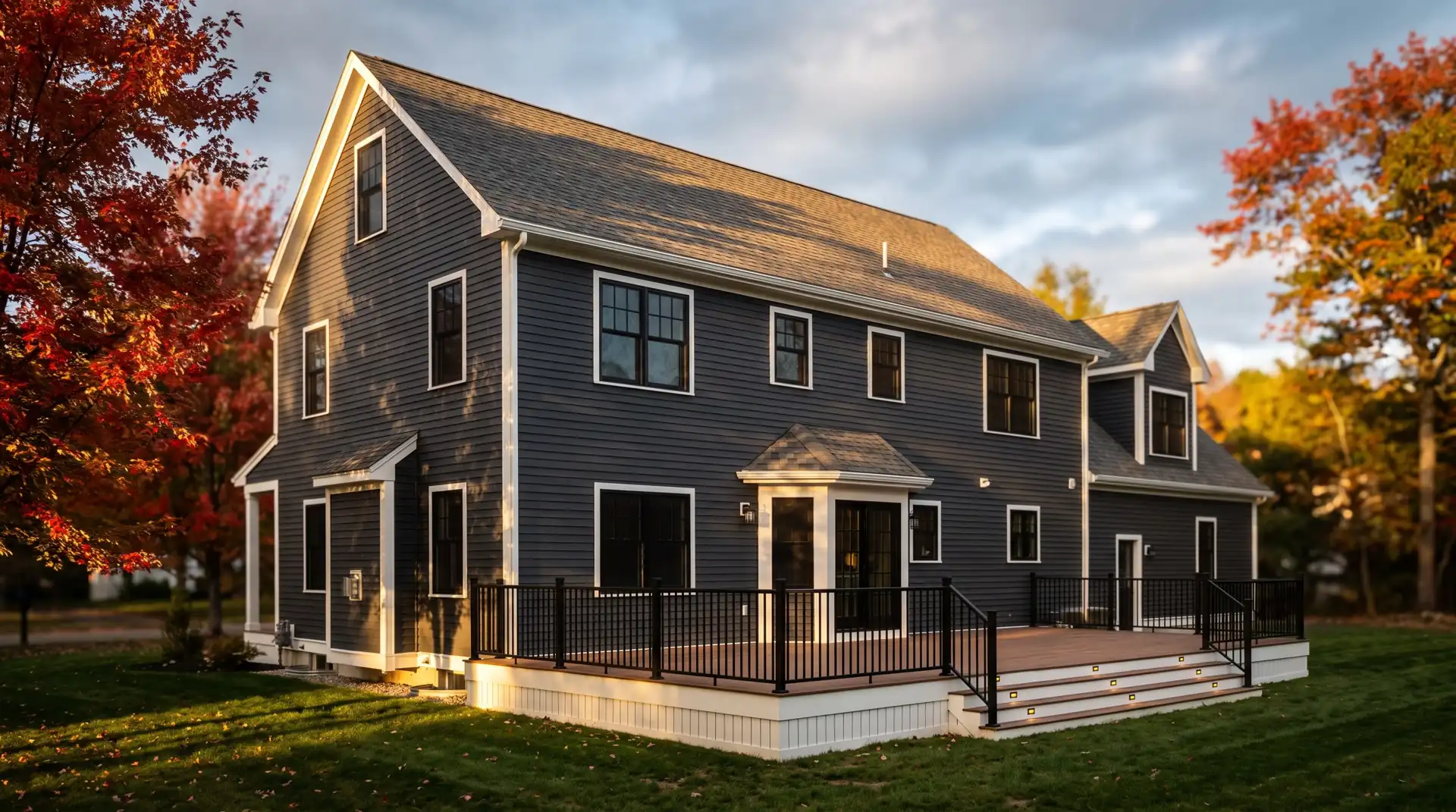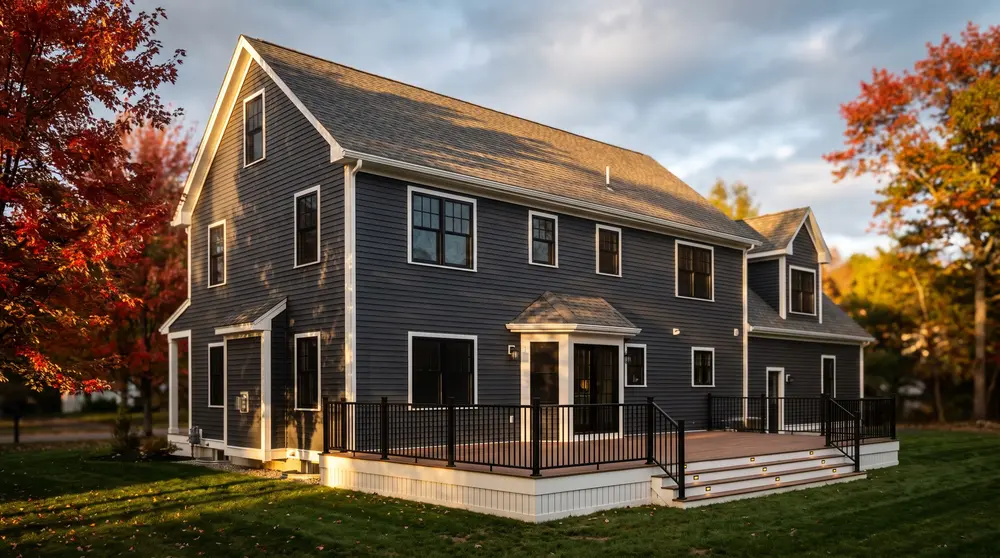

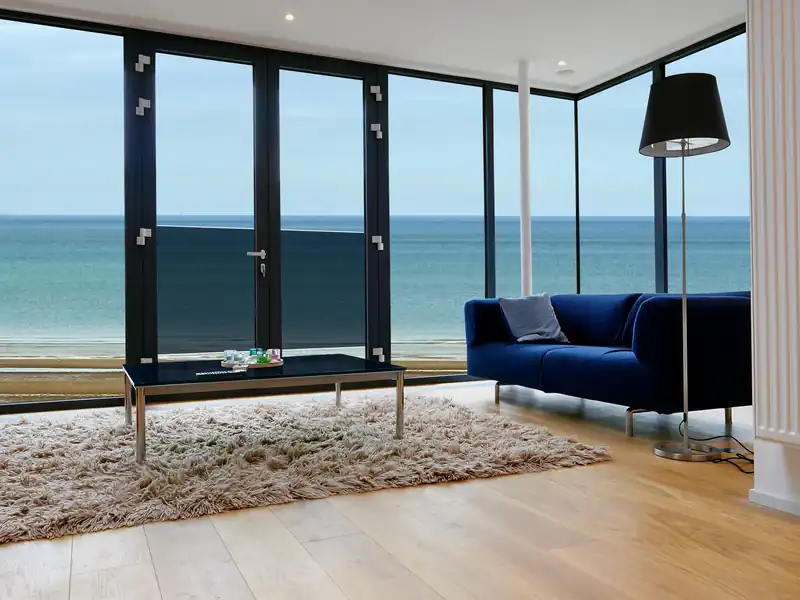
A picture window is a large window that doesn't open. With no sashes, tracks or cranks, more of the frame goes to glass, and there are fewer places for air to leak. It's a good fit for a living room facing a yard or a field, a stair landing that needs light, or any spot where you want the view more than a breeze. Because it has no moving parts, there's also very little to maintain once it's in. You wash the glass and that's about it.
Many older homes in Central MA have a picture window from the 1950s or 1960s that has lost its seal. The glass fogs between the panes, the frame feels cold, and the sill is soft from years of water sitting on it. Others have a big opening split into small windows that block the view. A new picture window can clean up either one. Large glass also loses more heat than a small window, so an old, failed unit makes the whole room feel colder in winter.
When we install your picture window, we remove the old unit, check the rough opening and header, and photograph any rot before covering it. Large glass is heavy, so we set the unit on proper blocking, shim it level and fasten it per the manufacturer instructions. Then we flash the opening, tie it into the house wrap and trim the outside in white aluminum. Your written quote lists the opening, any header work and the glass package line by line.
What's included
- Removal of your old picture window
- Inspection and photos of opening and header
- Sill pan and setting blocks for the glass
- Flashing tape tied into the house wrap
- Unit set level, shimmed and fastened
- Gap insulated with low-expansion foam
- Exterior trim wrapped in white aluminum
- Sealant at the trim and daily cleanup
Signs it's time
- Fog or haze between the panes that won't wipe off
- The sill below the window is soft or stained
- A cold draft drops down off the glass in winter
- The frame has pulled away from the trim
- Small window units are blocking a good view
How picture windows are built and paired
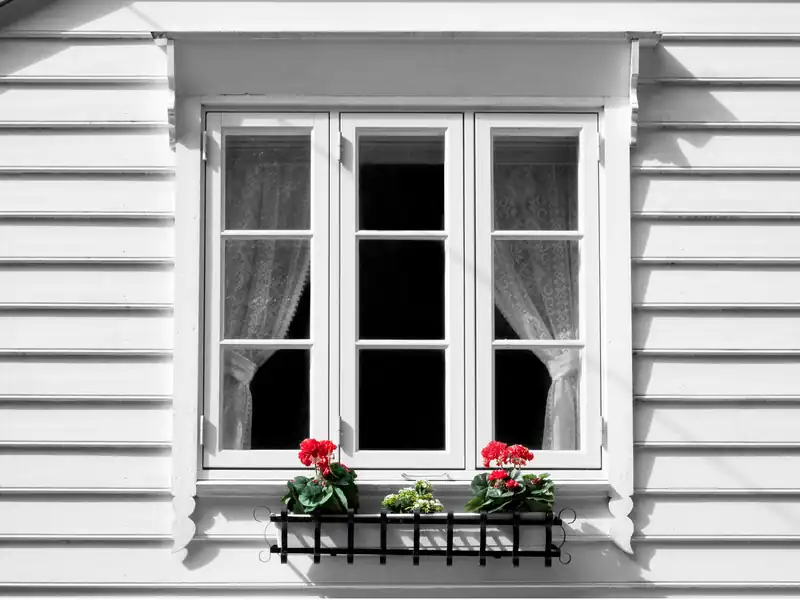
A picture window is a fixed sash sealed into a frame. Because nothing moves, the seal around the glass can be tighter than on an operating window. That's a plus in a cold New England room. The tradeoff is clear: no ventilation and no egress. So we often pair a picture window with a casement or double-hung on each side to bring in air. It also works as the fixed center of a bay window.
Big glass needs support. The unit should rest on setting blocks so its weight sits on the frame, and the header above must be sized for the opening. When an older opening gets widened, the header may need work too. Cleaning is simple on the inside, and on upper floors you'll want to plan for how you'll reach the outside. Very large panes may need two people or more to set safely, so we plan the crew size ahead.
Glass choice matters more on a large pane. Double pane with low-E and argon is common, and triple pane can cut the chill you feel standing near a big window. Low-E coatings also reduce fading from sun. Frames come in vinyl, fiberglass, wood or composite. Picture windows fit well on ranches and colonials facing a yard, and on Capes with a big front room. Popular lines include Andersen, Pella, Marvin, Milgard and Harvey. Tell us which one you want and we price and install that exact unit.
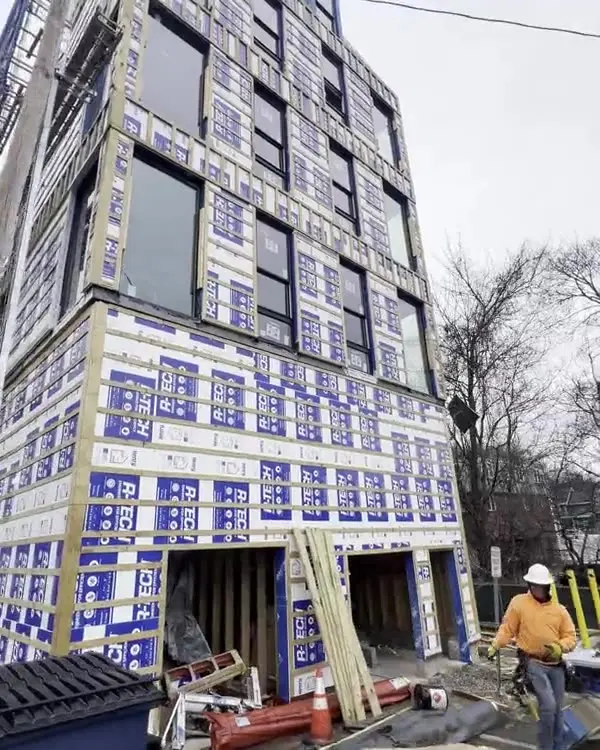
What happens behind your picture windows
You won't see most of this once the job is done. That's why we photograph it before we cover it.
- Substrate inspected and photographed before it's covered
- Every opening flashed so water gets directed back out
- Seams and laps of the weather barrier taped and sealed
- Fastening and clearances per the manufacturer's manual
- Soffit ventilation kept open, corners and returns sealed
- Site cleared and magnet swept at the end of every day