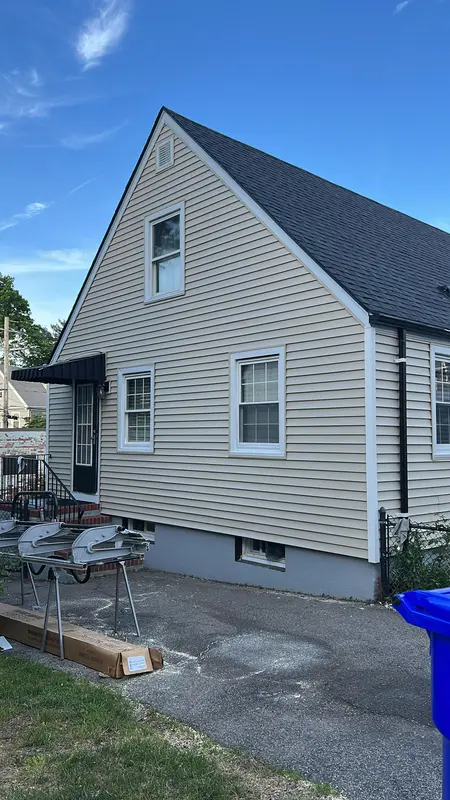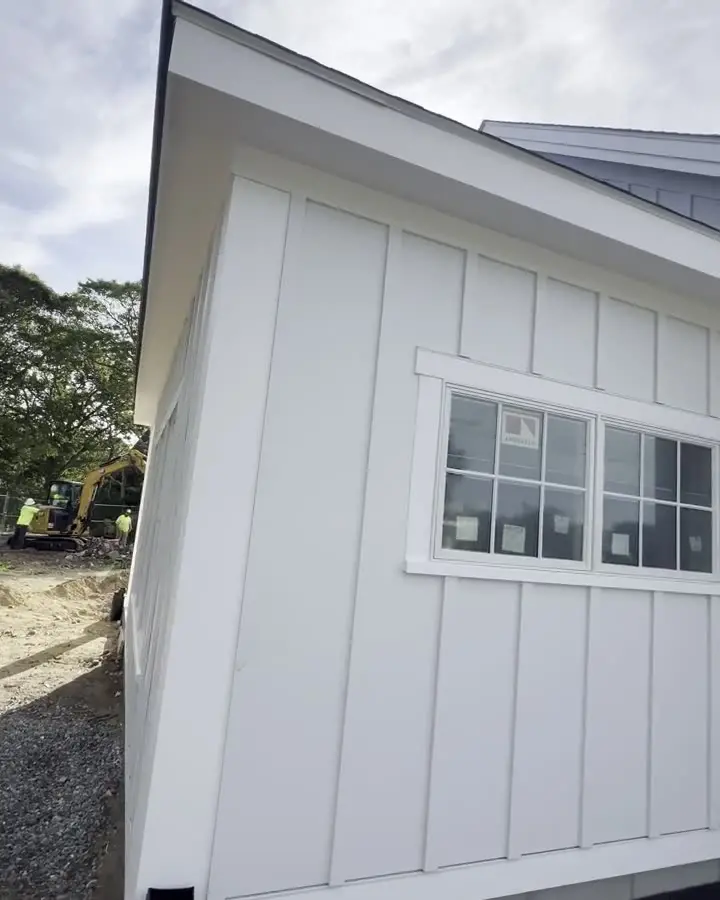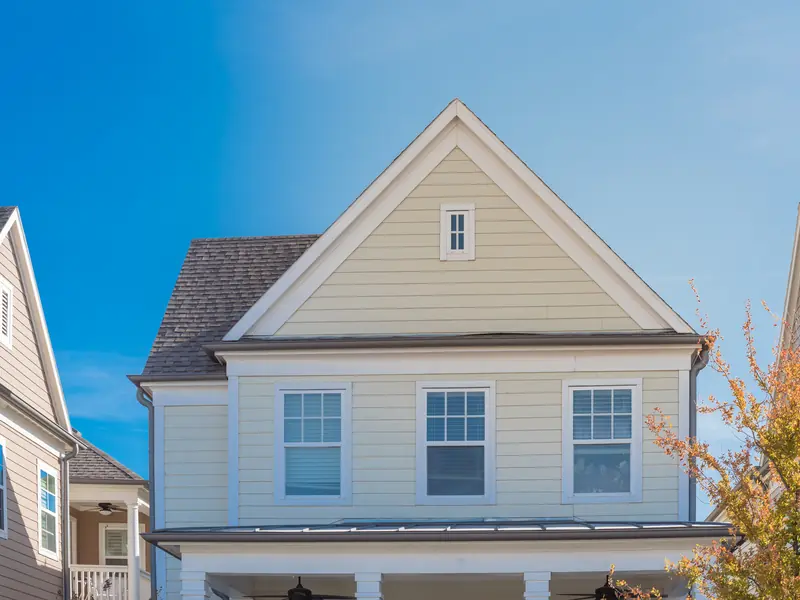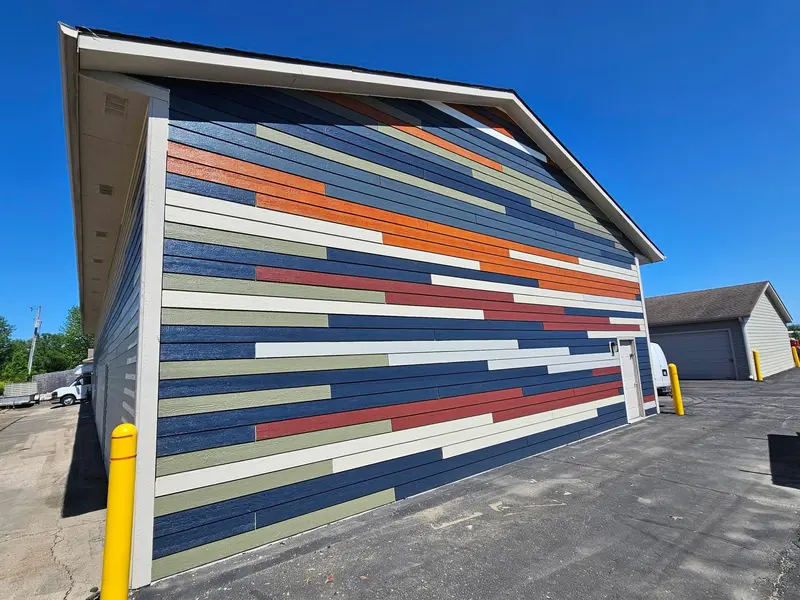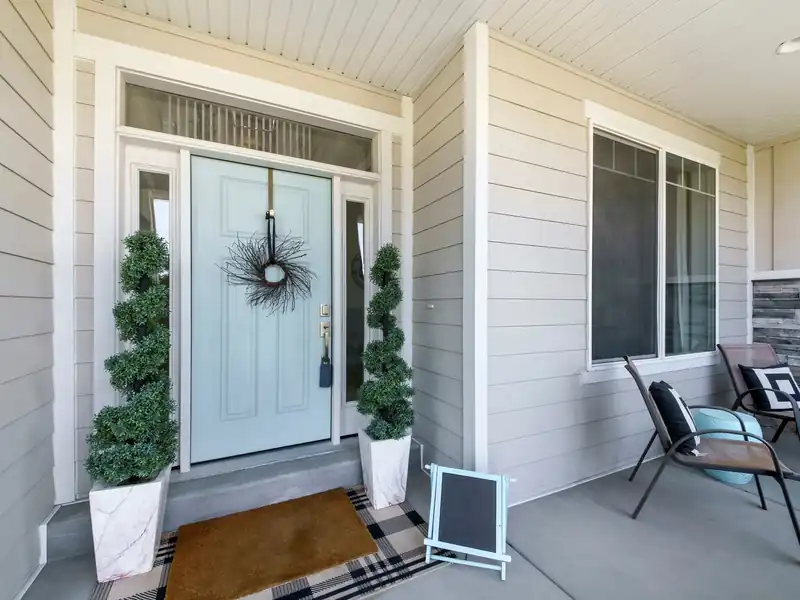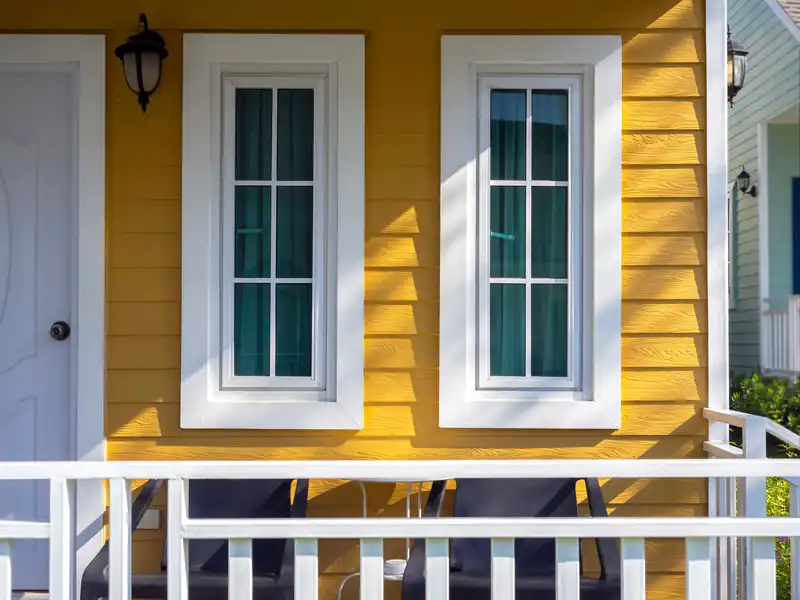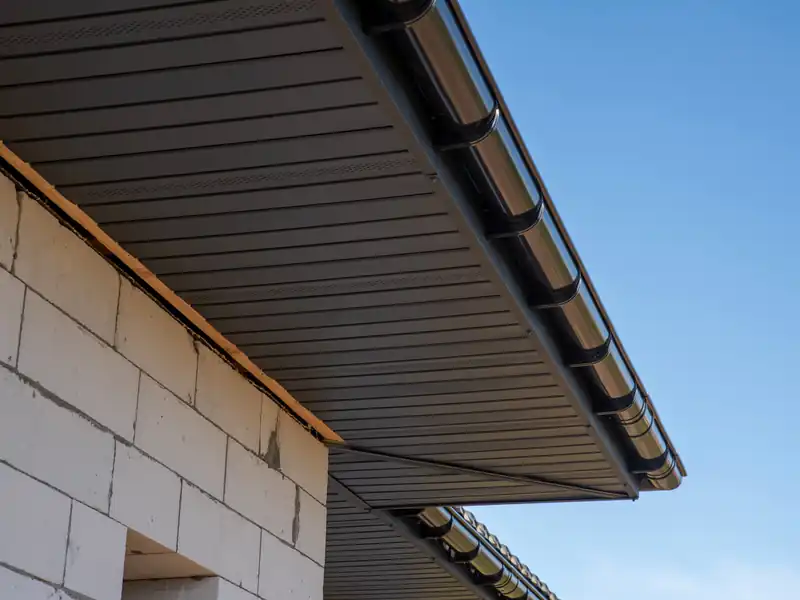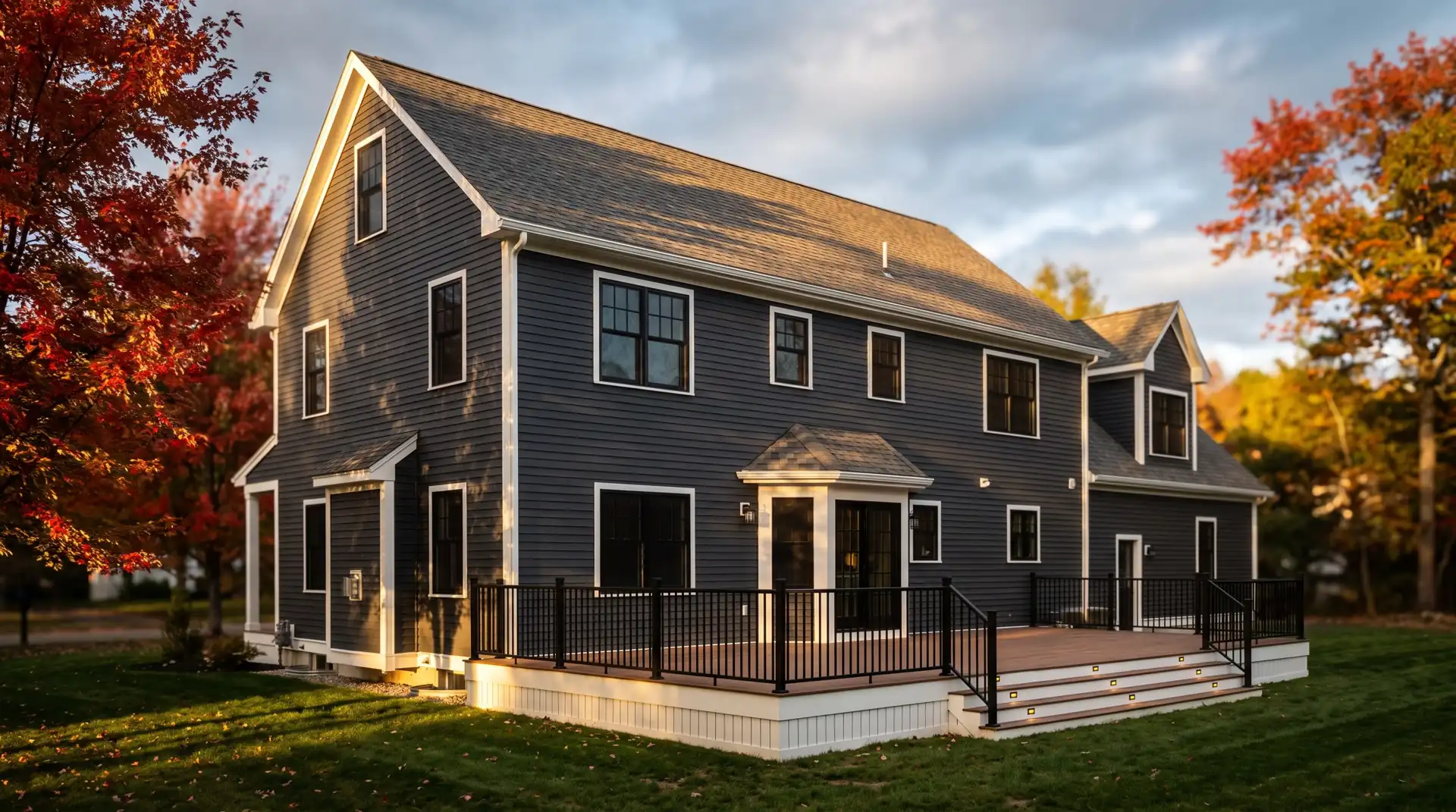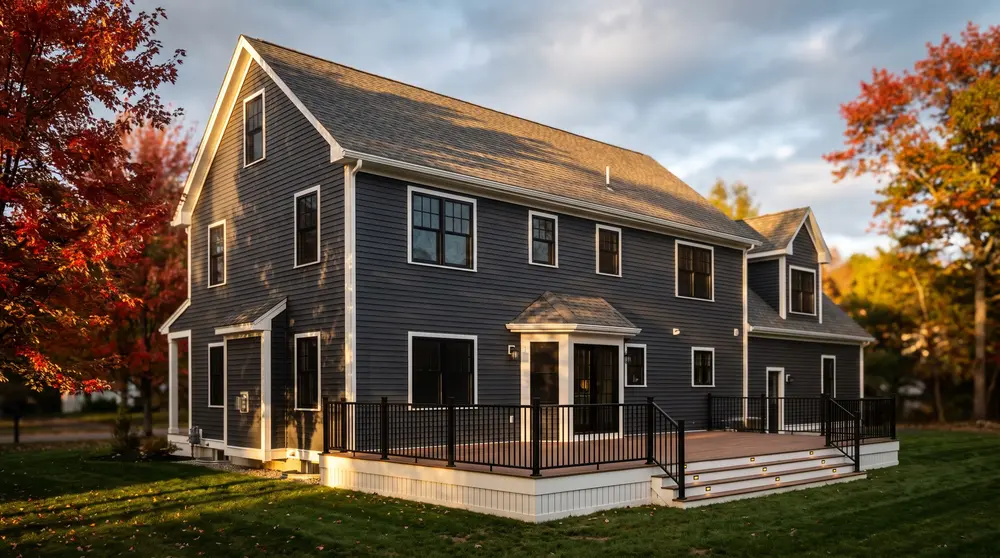


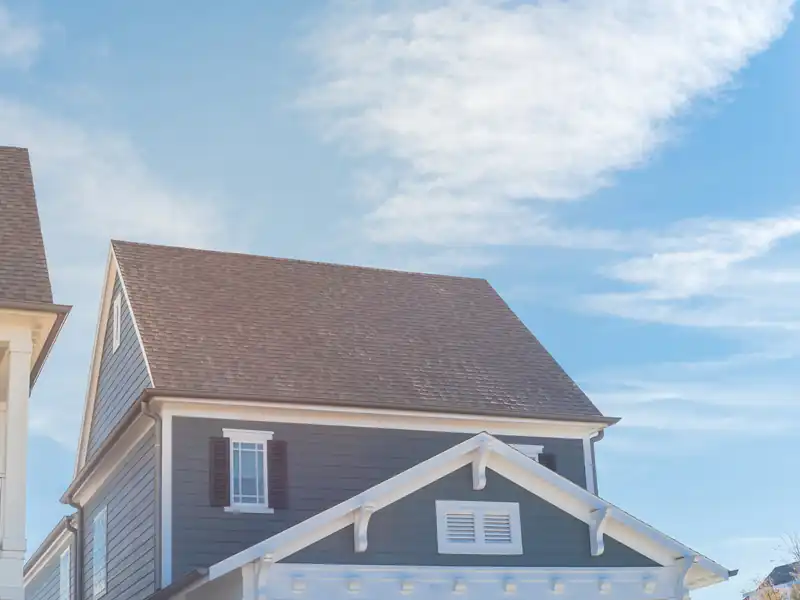
Fiber cement trim is the natural match to fiber cement siding. We install James Hardie trim boards for corners, window and door casings, frieze boards and band boards. They're made from cement, sand and wood fiber, so they have the heft and clean edges of painted wood without the rot. Bugs can't eat them, they don't burn, and they hold paint well. Trim boards come smooth or with a light woodgrain texture, so you can match the finish of your siding. Wide boards stay flat across their width and don't cup.
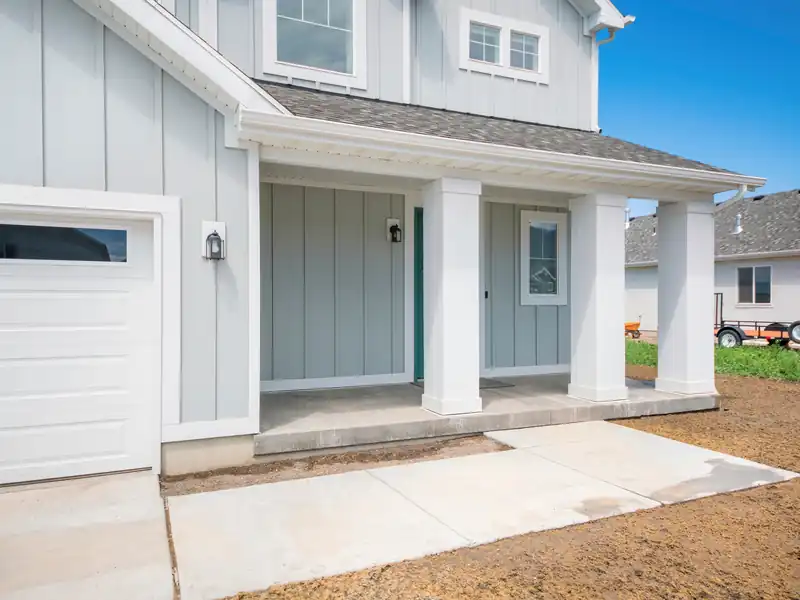
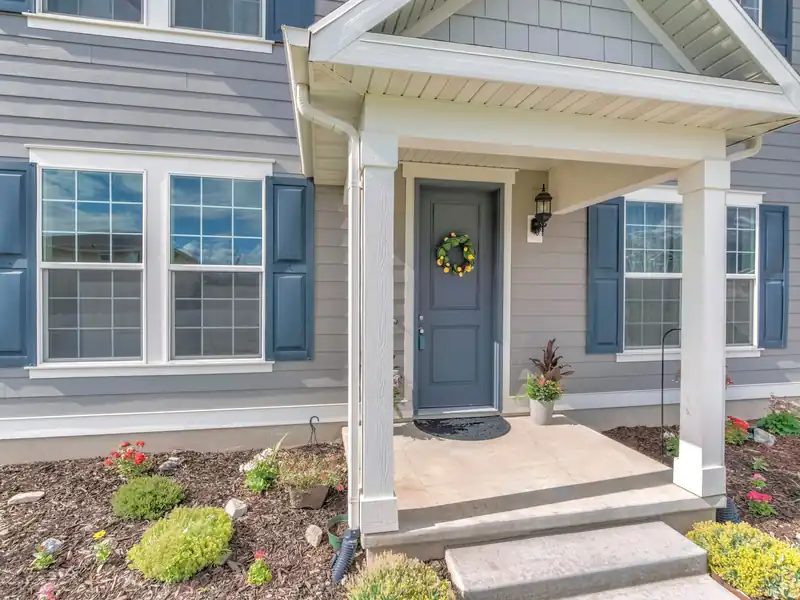
When you choose James Hardie siding, matching trim keeps the whole wall on the same material and the same paint schedule. Fiber cement trim also barely moves with temperature, so painted joints stay tight through summer and winter. That makes it a good fit for colonials and other traditional New England homes, where wide, crisp trim around windows and corners is a big part of the look. You can paint trim and siding in the same visit when the time comes, which keeps the color even.
Fiber cement trim has rules that have to be followed. Boards need clearance from roofs, decks and grade so they don't sit in snow and splashback. Cut ends need to be sealed. Joints need the right gap and flashing. We install your trim per the James Hardie manual, on top of the same prep we do for siding: tear-off, sheathing inspected and photographed, Tyvek with taped seams, and flashed openings. Your written quote lists the trim pieces and any rotten wood we expect to replace, line by line.
What's included
- Old trim removed and hauled away
- Sheathing and framing checked behind it
- Rotten wood replaced before trim goes on
- Flashing at windows, doors and joints
- James Hardie trim boards cut to size
- Clearances kept at roof, deck and grade
- Cut ends sealed before install
- Daily cleanup and magnet sweep
Signs it's time
- Wood trim rotting at the bottom of corners
- Paint failing on casings and band boards
- Trim sitting in snow at the roofline
- New fiber cement siding with old wood trim
- Joints split open and letting water in
How fiber cement trim is installed
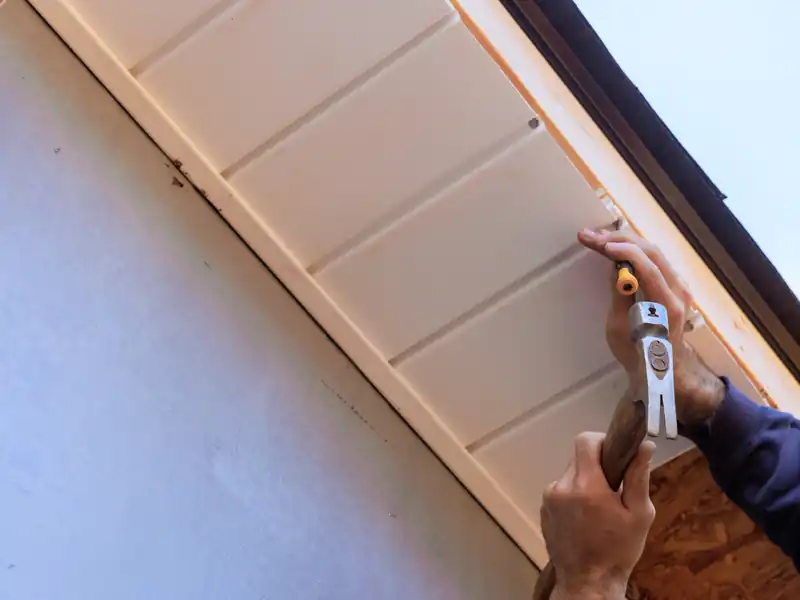
Fiber cement trim comes in common widths and in 4/4 and 5/4 thicknesses, primed or with a factory finish. It cuts with fiber cement blades and dust control, since cutting makes silica dust. Every cut end gets sealed or primed before it goes up, because a raw edge can soak up water. Fiber cement boards are heavy, so long pieces get carried by two people to avoid snapping in the middle. We also keep boards off wet ground before install so they go up dry.
Clearances are what keep fiber cement trim healthy. Per the James Hardie manual, trim stays about 6 inches above soil, a couple of inches above decks and paved areas, and 1 to 2 inches above a roof where a wall meets it. That gap keeps the bottom edge out of standing snow and splashback. At a roof-to-wall joint, step flashing and kickout flashing do the real work of steering water, and the gap keeps the trim from wicking it back up.
Trim gets nailed into framing with corrosion-resistant fasteners on the spacing the manual calls for. Butt joints get flashed behind and left with a small gap for caulk. Fiber cement trim needs paint over the years, unlike PVC or aluminum wrap. In exchange, it gives you the heaviest, most wood-like trim of the three, with almost no movement. Popular fiber cement trim lines include James Hardie HardieTrim and Allura trim boards. Tell us which one you want and we price that exact product, matched to your siding.
What happens behind your fiber cement trim
You won't see most of this once the job is done. That's why we photograph it before we cover it.
- Substrate inspected and photographed before it's covered
- Every opening flashed so water gets directed back out
- Seams and laps of the weather barrier taped and sealed
- Fastening and clearances per the manufacturer's manual
- Soffit ventilation kept open, corners and returns sealed
- Site cleared and magnet swept at the end of every day