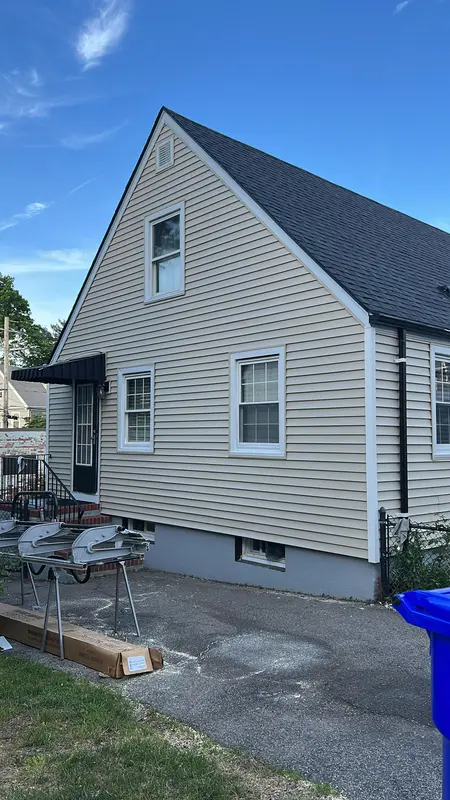

Old windows in Massachusetts houses tend to fail in the same handful of ways. Sashes rattle in their tracks. Glazing putty cracks and falls out. Sills rot because water has been sitting on them since the 1950s. And on homes that got vinyl siding over the original clapboard, the trim around each window was often just covered up, not fixed.
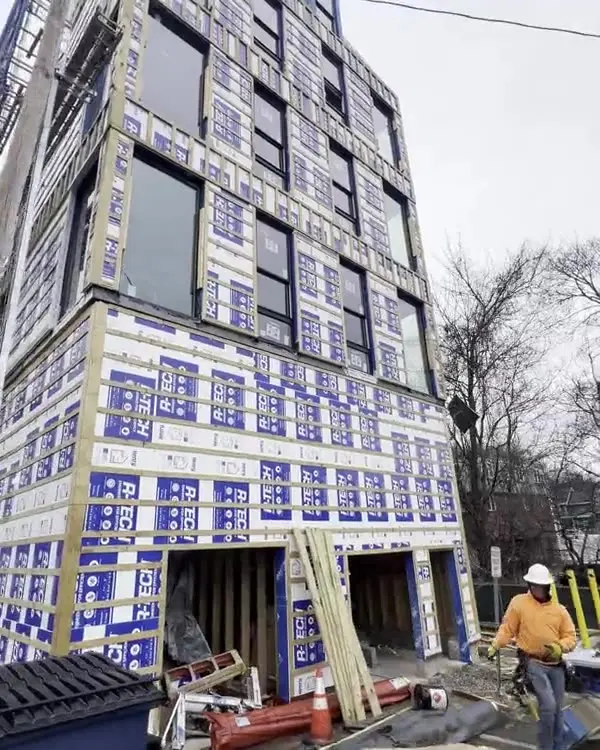
When we replace your windows, the old unit comes out and we look at the rough opening before anything new goes in. Rotted sills and wet sheathing get photographed so you see them too. Then we flash the opening, tape and seal the weather barrier laps, and set the new window square, level and shimmed per the manufacturer manual.
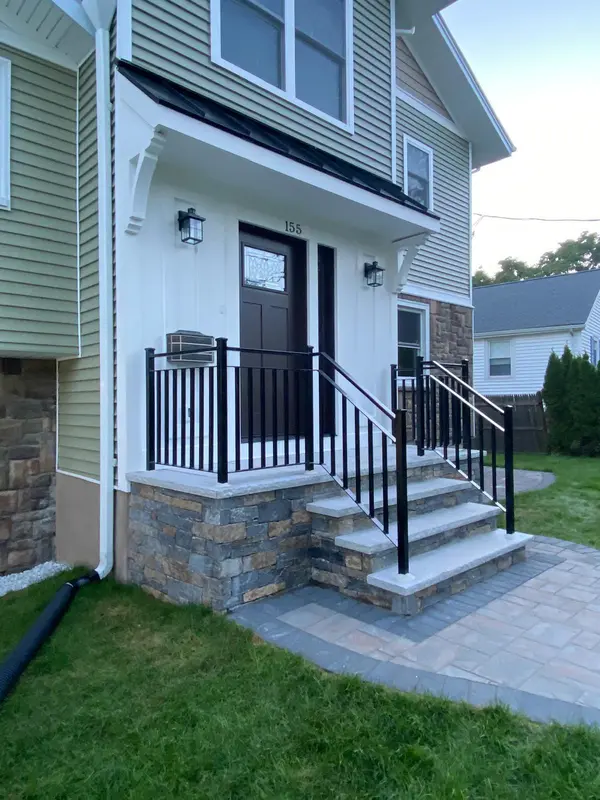
Outside, your new window gets exterior trim and white aluminum wrap. That means no more scraping and painting wood casings every few summers. Inside, you get a unit that opens, closes and locks the way it should. We install standard sizes and custom units for older openings that don't match anything on the shelf.
What's included
- Removal of your old window units
- Inspection and photos of each rough opening
- Repair of rotted sills or sheathing when found
- Flashing at every window opening
- Weather barrier laps taped and sealed
- New units set square, level and shimmed
- Exterior trim wrapped in white aluminum
- Old units hauled away and site magnet swept daily
Signs it's time
- You feel a draft near the window on a windy day
- Sashes stick, rattle or won't stay open
- Fog or moisture shows up between the panes
- Paint is peeling off the sill or the wood feels soft
- You see water stains on the wall below a window
Custom units for older Massachusetts openings
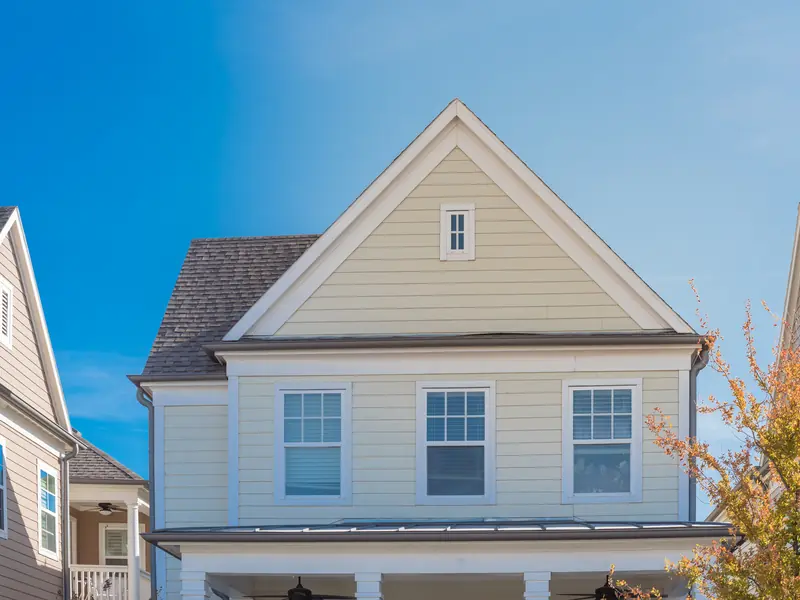
Plenty of homes here were built long before window sizes were standardized. Capes, colonials and mill-town housing from the 1920s through the 1950s often have openings that are a little different from one window to the next. Forcing a stock unit into those openings means big gaps stuffed with filler.
So we measure every opening during your free estimate. Where a standard unit fits, we use it. Where it doesn't, we spec a custom unit sized to the opening. Your written proposal lists which windows are which, so you know exactly what you're paying for and why.
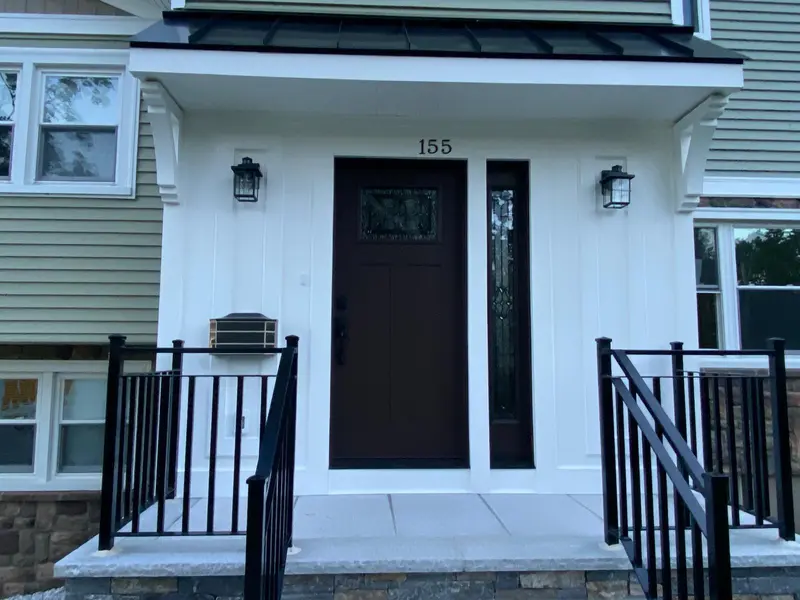
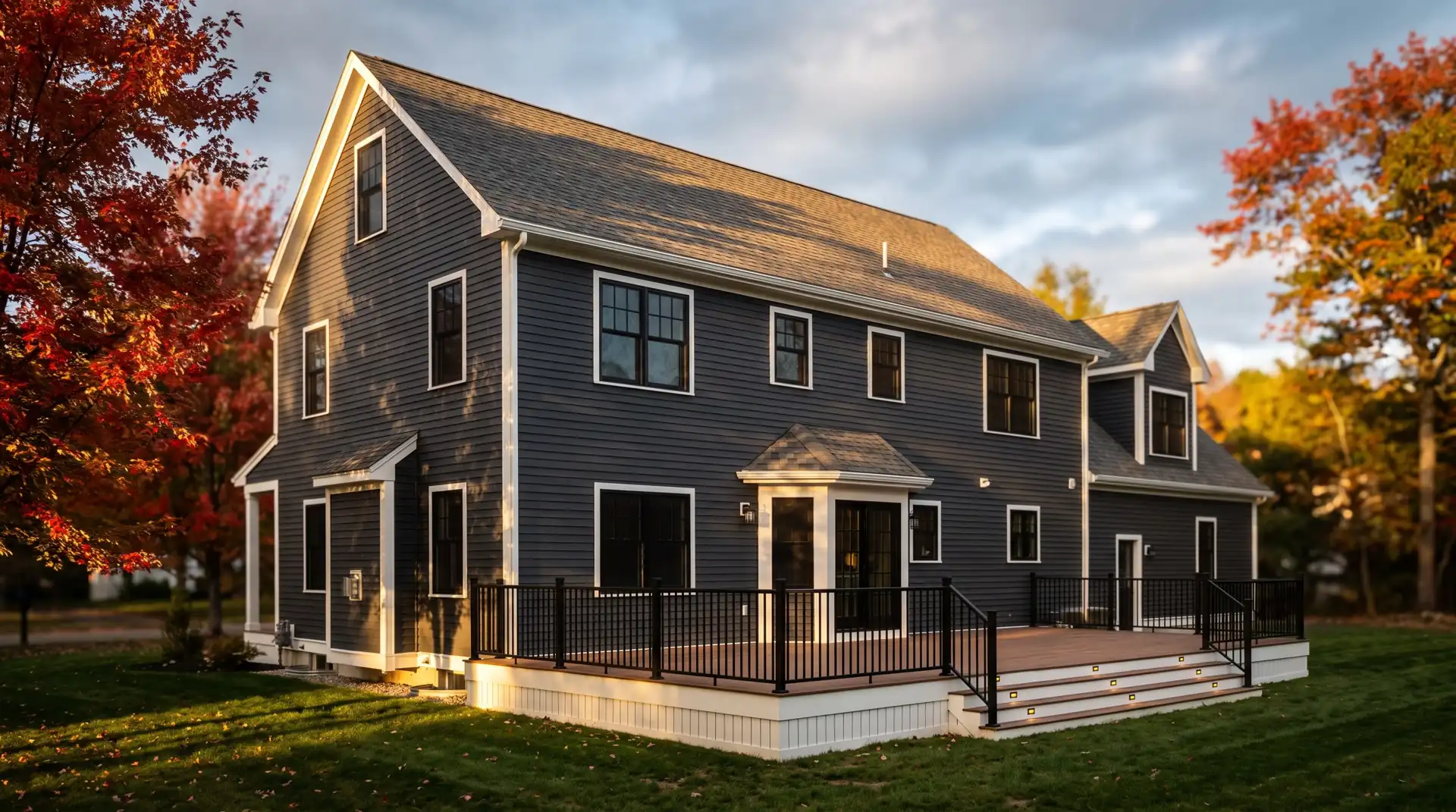
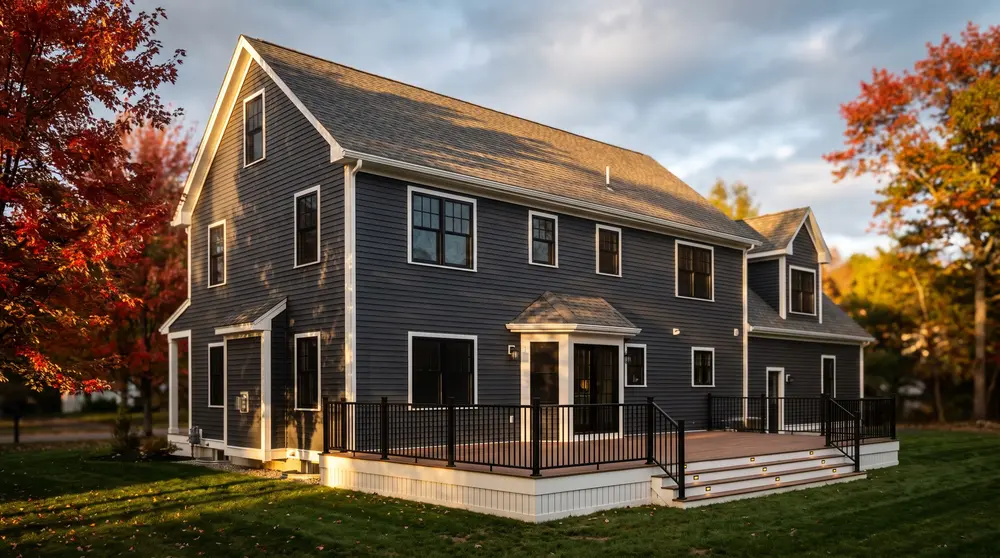
On the North Adams re-side, every window and door got wrapped in aluminum as part of the job. If you're planning new siding too, doing both at once means your openings get flashed into the new weather barrier from the start.
What happens behind your window replacement
You won't see most of this once the job is done. That's why we photograph it before we cover it.
- Substrate inspected and photographed before it's covered
- Every opening flashed so water gets directed back out
- Seams and laps of the weather barrier taped and sealed
- Fastening and clearances per the manufacturer's manual
- Soffit ventilation kept open, corners and returns sealed
- Site cleared and magnet swept at the end of every day